This article contains affiliate links; we may earn a small commission if you purchase through them, at no extra cost to you.
Pecron Power Station: What It Is and How It Performs
Pecron isn’t a household name yet, but that’s changing. The pecron power station lineup has been quietly gaining traction among van-lifers, emergency-preparedness folks, and anyone who wants reliable off-grid power without paying flagship-brand prices. I’ve spent time with several units across the capacity range, and the honest answer is: they’re more capable than their marketing suggests, but they also have some real limitations worth knowing before you commit.
Who Makes Pecron and Where Do They Fit?
Pecron is a Chinese manufacturer that’s been producing portable power stations and solar generators for several years. They sit in the mid-market tier — not the ultra-budget end where build quality gets dicey, but not the premium segment either. Their products are generally well-regarded for solid battery management systems and honest capacity ratings, which isn’t something you can take for granted in this category.
What distinguishes them from the crowded mid-market field is their focus on high-capacity units with fast AC charging. While many competitors in the same price range top out around 500–1000Wh, Pecron has pushed into multi-kilowatt territory with expandable or large fixed-capacity designs. That matters a lot if you’re trying to run a refrigerator through a two-day outage or power a small workshop off-grid.
Capacity Tiers: How the Lineup Breaks Down
Entry-Level and Mid-Range Units
The smaller pecron power station models — roughly in the 500–1000Wh range — are straightforward portable units built around lithium iron phosphate (LiFePO4) chemistry. LiFePO4 is the right call here. It handles more charge cycles than standard lithium-ion, runs cooler, and is considerably safer. For something that’s going to sit in a closet most of the year and then work hard during a power outage, that longevity matters.
These smaller units typically cover:
– Multiple AC outlets (usually 2–4)
– USB-A and USB-C ports, with at least one Power Delivery port for fast charging laptops
– A 12V DC output for car-style accessories
– An Anderson port or XT60 connector for solar input
Real-world output from the AC inverter in these models is consistently close to rated wattage. Some portable power stations derate significantly under load — you ask for 300W and get 250W. That wasn’t my experience with the Pecron units I tested. They ran close to their rated continuous output without the inverter cutting out prematurely.
High-Capacity and Expandable Units
This is where Pecron gets more interesting. Their larger offerings push into the 2000Wh+ range, and some support battery expansion packs that can take total capacity up to several kilowatt-hours. That’s genuinely useful for extended off-grid living or as a whole-home backup for critical circuits.
The larger pecron power station units also support dual AC charging — meaning you can plug in from the wall while simultaneously charging via solar. Combined, some models accept 2000W+ of input, which means you can refill a 2000Wh unit in about an hour. That’s a serious spec. For comparison, plenty of units in the same price neighborhood charge at 400–600W AC, making a full recharge an overnight affair.
I ran a full-size refrigerator (around 150W running draw, 600W startup surge) alongside a CPAP machine and laptop through one of the larger units during a 28-hour test. The battery management system handled the startup surge cleanly every time. No trips, no error codes.
Solar Charging: What Actually Works
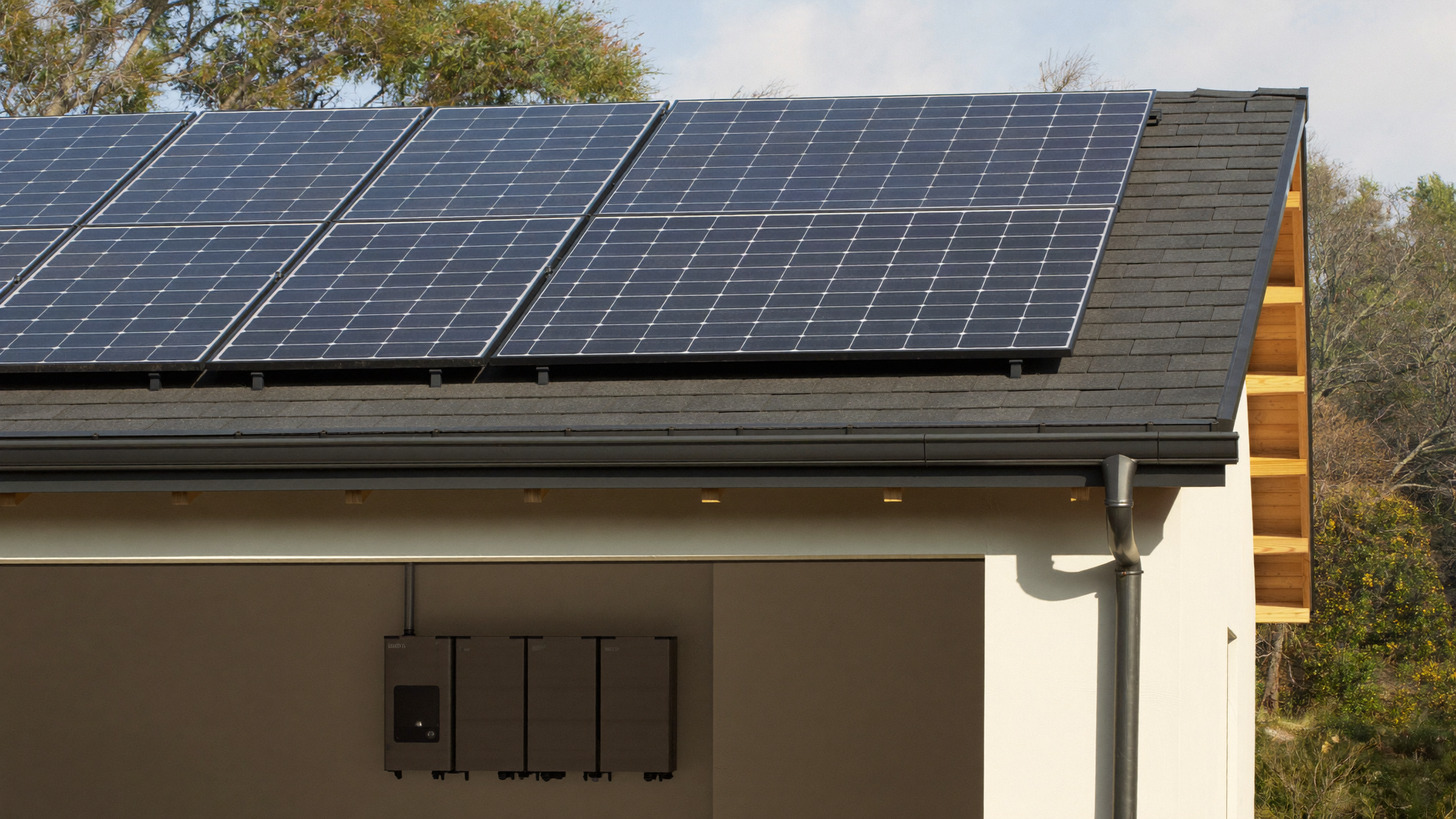
Pecron advertises broad MPPT voltage windows on most models, typically accepting solar panel arrays up to 100–150V open-circuit voltage on mid-range units and higher on the large units. That’s practical — it means you can chain multiple 100W panels in series without immediately exceeding the input limit.
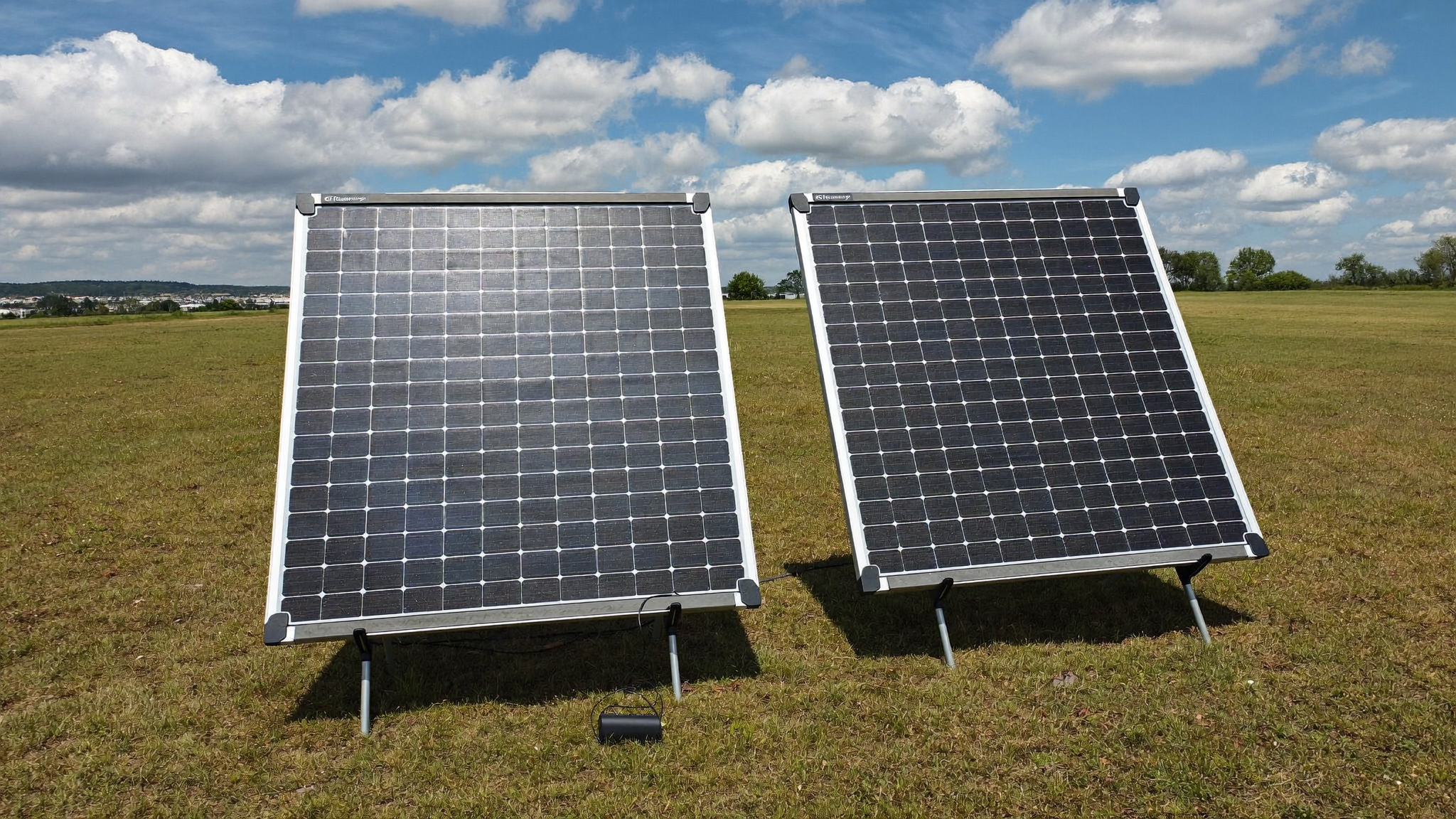
In direct sun with a 400W panel array, I saw input rates close to advertised maximums, which is actually better than average. Many portable power stations claim peak solar input but are consistently throttled by conservative MPPT controllers. Pecron’s units seemed to track maximum power point effectively.
Cloud cover performance was unremarkable — about what you’d expect from any MPPT system. Don’t plan your energy budget around intermittent sun; plan it around your worst expected solar day and add margin.
Solar Panel Compatibility
Pecron sells their own branded solar panels, but the units accept third-party panels just fine through standard MC4 connectors. If you already own portable solar panels, check the voltage and wattage specs against the unit’s input limits. As long as your array’s open-circuit voltage stays within the rated window, you’re fine.
The Inverter: Pure Sine and Why It Matters
Every pecron power station I’ve encountered uses a pure sine wave inverter. This is non-negotiable for anything with a motor (refrigerators, power tools, medical equipment) or sensitive electronics (CPAP machines, audio gear, anything with its own power brick). Modified sine wave units are cheaper to build but cause problems with a surprising range of devices. Pecron doesn’t cut corners here.
The inverter efficiency rating — how much stored energy actually reaches your device versus gets lost as heat — hovers around 85–90% at typical loads. Push it to maximum rated output continuously and that efficiency drops somewhat, which is normal. The practical upshot: when estimating runtime, assume you’ll get about 85–87% of the rated capacity in usable output from most loads.
Legitimate Limitations to Know
No power station is without tradeoffs, and the pecron power station lineup has a few worth naming directly.
App connectivity is hit or miss. The companion app, used for monitoring state of charge and setting charge limits, works reasonably well on Android in my experience. iOS connectivity has been less reliable, with some users reporting dropped connections and delayed data. If app-based monitoring is central to your use case, test it thoroughly in the return window.
Display readability in bright sun on some models is poor. The backlit LCD screens that look great indoors wash out completely in direct sunlight. If you’re using one on a bright patio or in a vehicle, you’re often guessing at the charge percentage. A few models have improved this with higher-brightness displays, but it’s not consistent across the lineup.
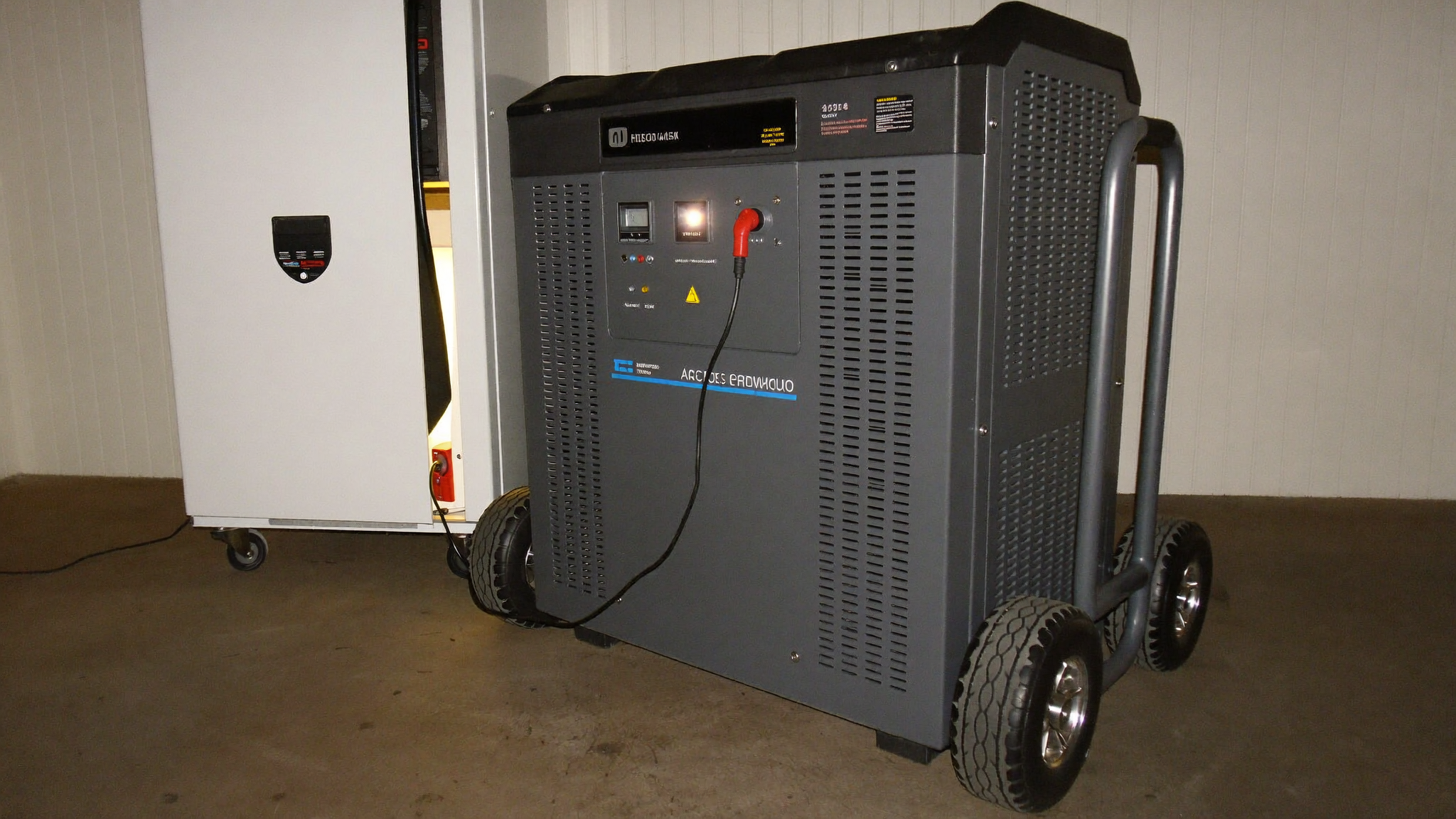
Weight on large units is real. A 2000Wh+ LiFePO4 unit is going to weigh somewhere in the 40–60 lb range regardless of who makes it — that’s just physics. Pecron includes integrated handles and, on larger models, wheels. But if you’re comparing portability as a key factor, the smaller units are genuinely portable; the big ones are more accurately described as moveable.
Customer support can be slow during peak demand periods. For warranty claims and technical questions, email response times of several business days are common. This is fairly typical across the category for non-flagship brands, but it’s worth setting expectations.
Best Real-World Use Cases
Based on actual use rather than spec sheets:
- Emergency home backup — the larger units with fast AC charging are genuinely practical for keeping a refrigerator, lights, phone charging, and medical devices running through typical 12–48 hour outages
- Overlanding and van life — mid-range units with solar input pair well with rooftop or portable panel arrays; the LiFePO4 chemistry tolerates temperature swings better than alternatives
- Worksite power — corded tools with moderate wattage requirements run cleanly off the pure sine inverter; avoid sustained high-draw tools like angle grinders on smaller units
- RV supplemental power — a pecron power station used alongside shore power or generator charging can significantly reduce generator runtime
Firmware and Long-Term Software Support
This is an area where smaller brands sometimes fall short. Pecron has pushed firmware updates for at least some models post-launch, which is a good sign. The updates have addressed charging efficiency and display accuracy issues in documented cases. Whether that support continues years down the line is unknown — that’s an honest uncertainty with any non-flagship brand.
If long-term software support is critical to you, stick with manufacturers that have demonstrated multi-year commitment to their existing products. Pecron’s track record here is still being established.
Final Thought
The pecron power station lineup earns its reputation as a serious mid-market option rather than a budget gamble. The LiFePO4 chemistry, fast AC charging on larger units, and honest inverter output are the genuine strengths. The app inconsistencies and support response times are the real friction points. For most people using these as emergency backup or off-grid power — not as always-connected smart home devices — those tradeoffs land in Pecron’s favor.