4Patriots Generator: What You Actually Need to Know Before Buying
Disclosure: This site may earn a commission from purchases made through links in this article.
The 4patriots generator line gets heavy promotion through email lists, survival newsletters, and direct-response ads — which means a lot of people arrive at the purchase page already half-sold by marketing copy. That’s exactly when it pays to slow down. This article cuts through the promotional framing and gives you the kind of practical context that actually helps you decide.
What 4Patriots Actually Sells
4Patriots is primarily a direct-to-consumer brand built around emergency preparedness — food kits, survival gear, and portable solar power products. Their generator products are solar generators (sometimes called power stations), not gas-powered generators. That distinction matters enormously for how you use them.
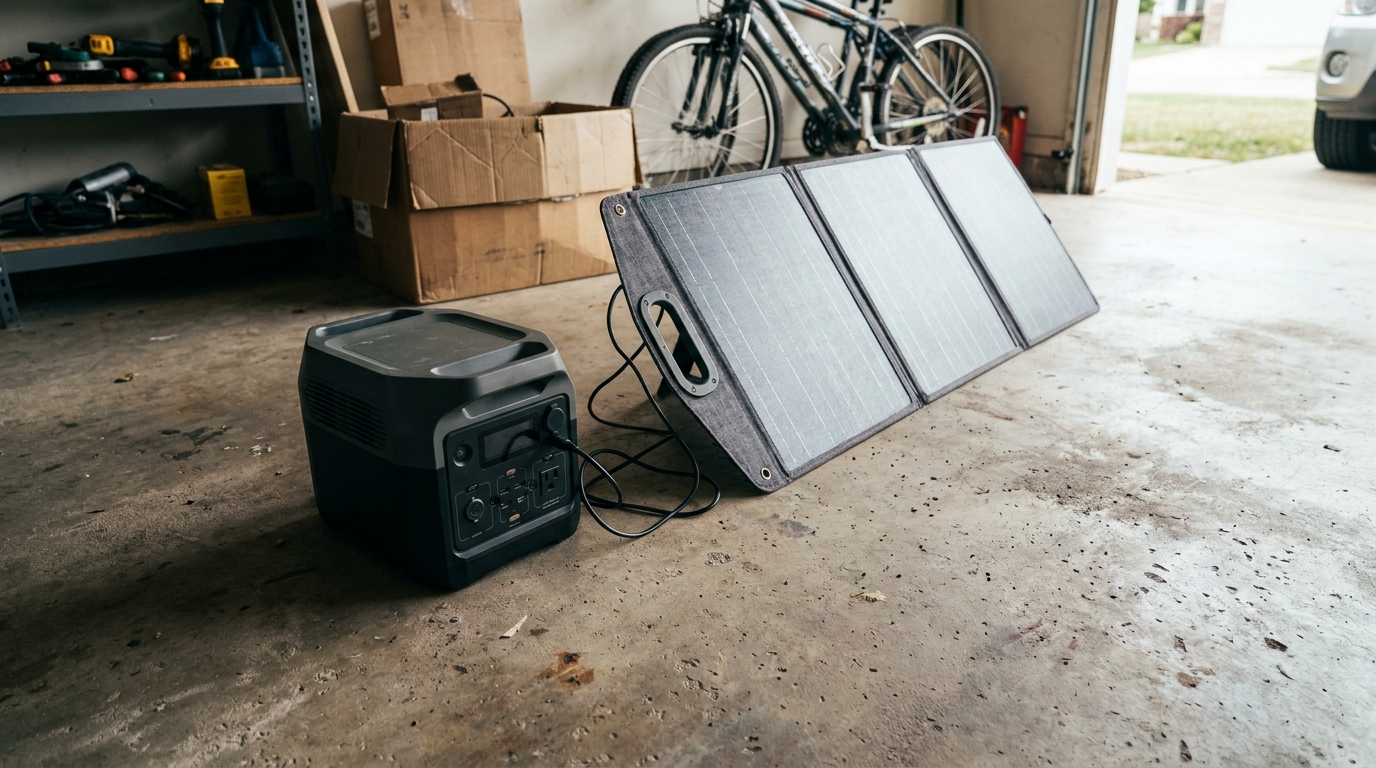
A solar generator is a battery pack with a built-in inverter, charge controller, and AC outlets. You charge it from solar panels, a wall outlet, or a car’s 12V port. There’s no fuel, no exhaust, and no engine noise. Great for some scenarios. Limited in others.
The Patriot Power Generator Line
4Patriots markets several Patriot Power Generator models under different wattage tiers. The lineup has evolved over the years, and they regularly run promotions that bundle solar panels with the unit. Without inventing specs I can’t verify, here’s what’s consistently true across their lineup:
- LiFePO4 battery chemistry — most current models use lithium iron phosphate, which is safer than standard lithium-ion, handles more charge cycles before degradation, and performs better in temperature extremes. This is a genuine selling point, not just marketing.
- Multiple output types — AC outlets, USB-A, USB-C, and 12V car ports are standard across the line.
- Pass-through charging — you can run devices while the battery charges, which matters for emergency use.
- MPPT solar charge controller — more efficient than PWM controllers at extracting power from panels, especially in partial shade or low light.
These are real features worth having. They’re also features you’ll find on competing units from Jackery, EcoFlow, Bluetti, and Anker at similar or overlapping price points.
Where the 4Patriots Generator Genuinely Shines
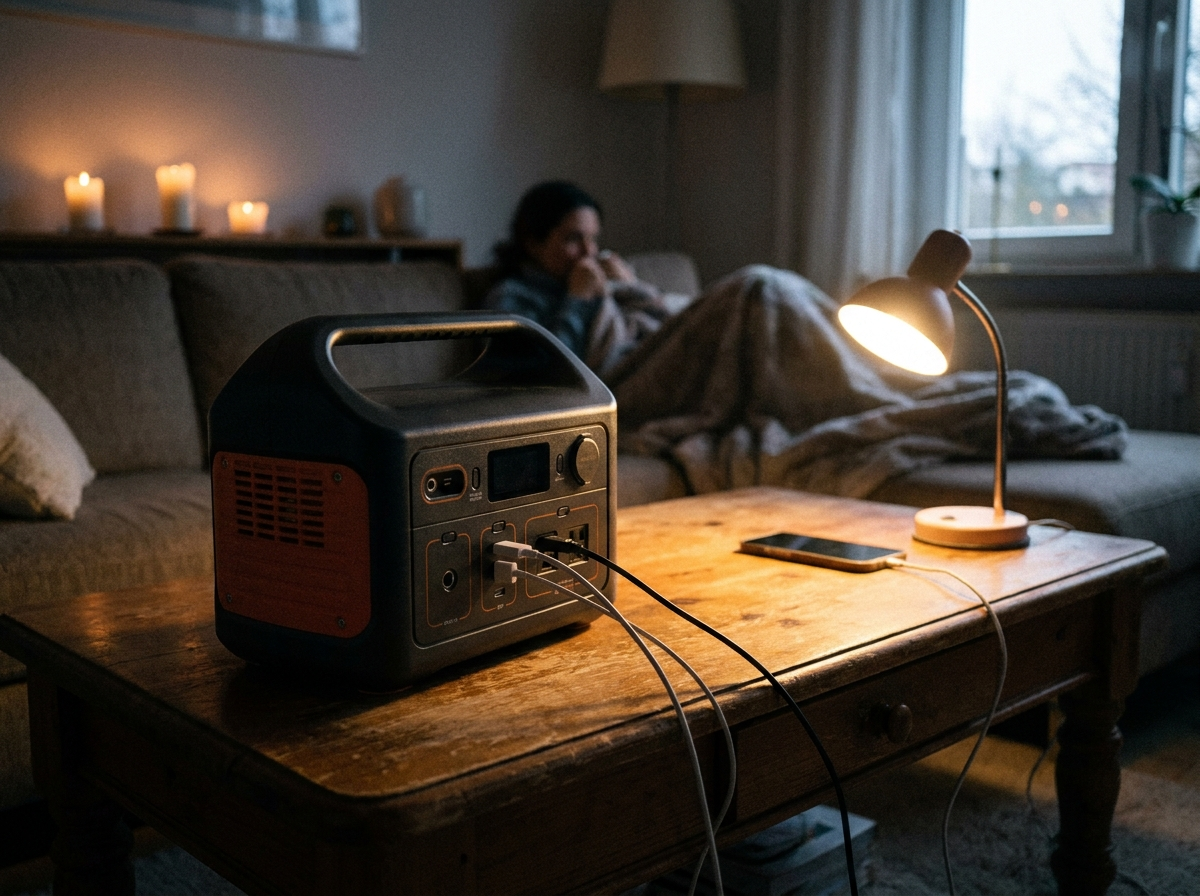
Off-grid cabin or RV use with modest loads. If you’re running LED lighting, phone charging, a CPAP machine, a fan, and occasionally a small appliance, a mid-range solar generator handles this well. The LiFePO4 chemistry means the battery survives years of regular cycling without the capacity loss you’d see in older lithium chemistries.
Emergency preparedness without fuel storage hassles. Gas generators require fuel that degrades, storage that’s regulated or restricted in many areas, and maintenance between uses. A solar generator sits on a shelf, stays partially charged, and is ready when you need it. Pair it with a foldable solar panel and you have a self-replenishing system.
Power outages under 24–48 hours. For the typical grid outage — severe weather, local infrastructure failure — a properly sized unit keeps your phone charged, powers medical devices, runs a portable fan or space heater (check wattage carefully), and keeps a radio going. That’s genuinely useful.
Low-noise environments. Hospitals, apartments, neighborhoods with HOA restrictions, camping areas with quiet hours. No exhaust, no noise, no complaints.
Where It Falls Short
Here’s what the promotional materials won’t tell you clearly.
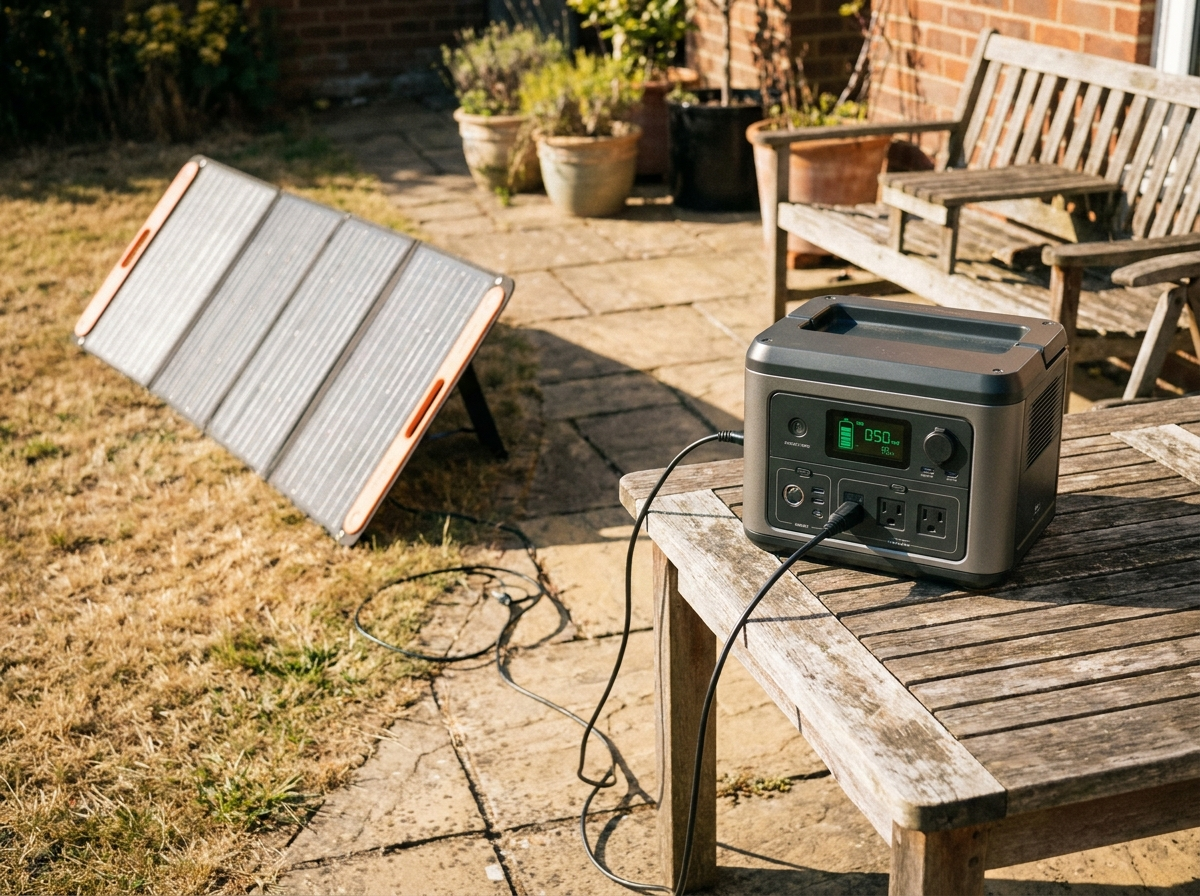
Solar recharge is slow. Even with good panels and full sun, recharging a large battery from near-empty takes most of a day. If it’s cloudy — and emergencies often involve storms — you’re relying on whatever charge you stored beforehand or a wall/car charge. This isn’t a flaw unique to 4Patriots; it’s physics. But the marketing imagery of unlimited solar power glosses over it.
High-draw appliances will drain the battery fast. Electric kettles, toasters, hair dryers, portable air conditioners, and electric space heaters pull 1,000–1,500W or more. A battery that looks large on paper can be depleted in an hour or two by sustained high-wattage loads. Know your power needs before you size your purchase.
You’re paying a brand premium. 4Patriots spends heavily on marketing — their ad presence is significant. That cost gets built into the product price. Competing units from established power-station brands often offer comparable or superior specs at similar or lower prices. That doesn’t automatically make 4Patriots wrong for you, but it means you should shop comparatively rather than clicking the first order button.
The direct-to-consumer model has trade-offs. 4Patriots sells primarily through their own channels. That means you’re not buying through Amazon or a major retailer where return processes are frictionless. Read the return and warranty policy carefully before purchasing. Their customer service reputation has been mixed — some users report smooth experiences, others describe friction with returns or warranty claims.
How to Size the Right Unit for Your Needs
This is where most buyers go wrong — they guess, get seduced by a specific product’s marketing, and end up with something either undersized (frustrating) or way oversized (expensive overkill).
Do a quick load calculation first:
- List every device you’d want to power during an outage.
- Find the wattage of each (check the label on the device or the manual).
- Estimate daily hours of use.
- Multiply watts × hours = watt-hours per day.
Add 20–30% buffer for inverter inefficiency and battery depth-of-discharge limits (you shouldn’t consistently drain LiFePO4 to absolute zero).
If your daily needs come out to 500Wh, a unit with 500Wh capacity will last about one day without recharge. Plan accordingly.
A Practical Example
CPAP at 50W × 8 hours = 400Wh. LED lights at 20W × 5 hours = 100Wh. Phone charging = ~20Wh. That’s roughly 520Wh per day. A unit in the 1,000Wh range gives you roughly two days of that load without recharge — a reasonable safety margin.
Comparing to the Competition
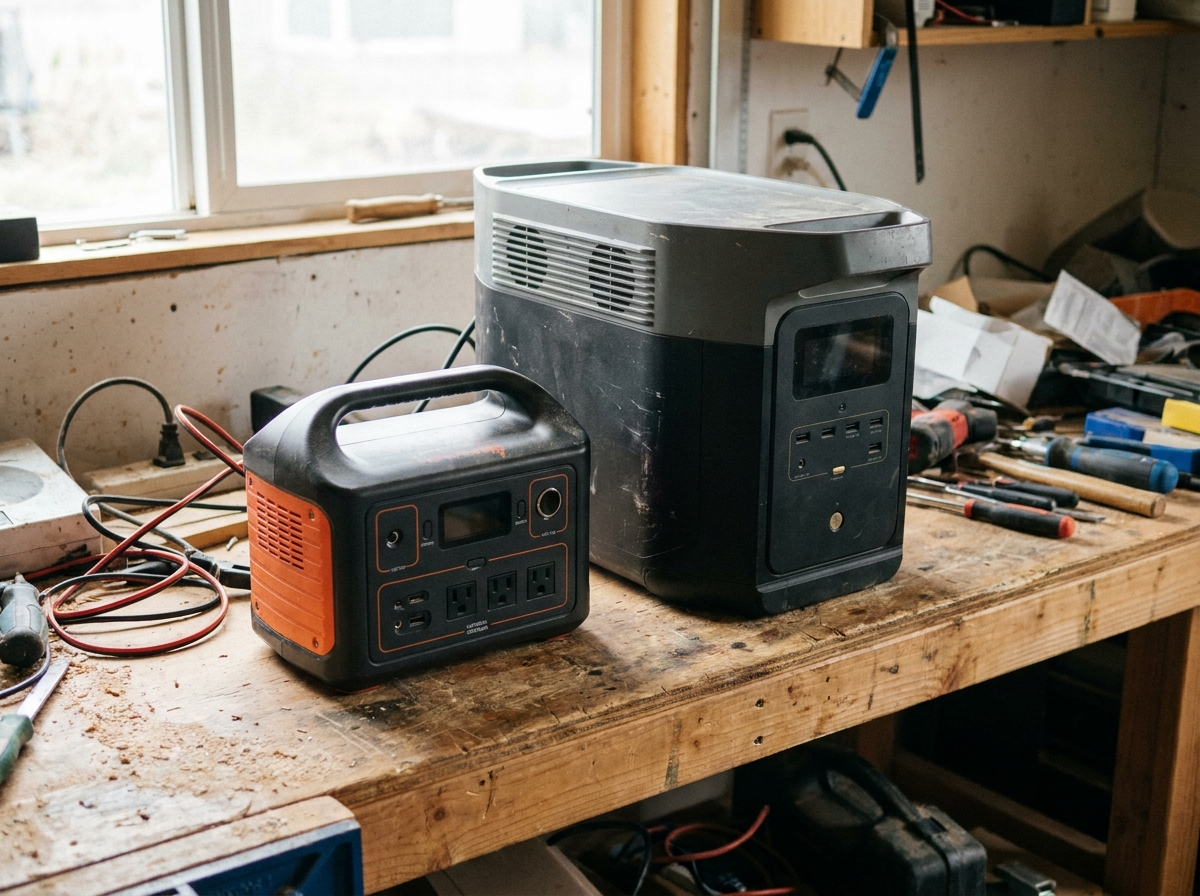
Before committing to a 4patriots generator, spend 30 minutes looking at equivalent-capacity units from:
- EcoFlow — faster charging and app control are genuine differentiators
- Bluetti — strong build quality and expandable battery options
- Jackery — wide retail availability and solid service network
- Anker (SOLIX line) — newer entrant with competitive specs and pricing
Compare LFP vs. NMC battery chemistry, recharge speed (both AC and solar), warranty length, and actual measured capacity (some units test below rated capacity). Read reviews from people who’ve owned units for 12+ months, not just unboxing impressions.
None of this means 4Patriots makes bad products. It means they operate in a competitive market where informed buyers get better outcomes.
The Buyer Who Should Consider It
You’re already in the 4Patriots ecosystem — you use their food kits, trust their brand, want a single source for your preparedness gear. That’s a legitimate reason to buy. Brand consistency and a single support relationship have real value, especially for less tech-savvy buyers.
Or you’ve seen a specific bundle deal — generator plus solar panel plus accessories — that genuinely pencils out better than building the same kit component by component. That happens. Run the numbers.
Or you want LiFePO4 chemistry and the particular form factor or feature set of a specific Patriot Power Generator model that competitors don’t match at the same price. Possible.
Final Guidance
Buy based on specs and use case, not marketing narrative. The 4patriots generator products are legitimate solar power stations with real features — they’re not a scam, and LiFePO4 chemistry is genuinely worth seeking out. But the brand premium is real, the marketing is heavy, and the competition is strong.
Don’t buy the largest unit because an emergency feels scary. Buy the unit that matches your calculated load. Don’t assume solar recharge will save you during a multi-day weather event — charge from the wall regularly so you always start with a full battery. And read the return policy before you order, not after.
The best backup power setup is one you’ve actually tested before you need it. Plug it in. Run your devices. See how fast it drains. Then you’ll know exactly what you have.
Leave a Reply