(This article contains affiliate links. If you buy through them, we may earn a small commission at no extra cost to you.)
What the Jackery 500 Actually Is
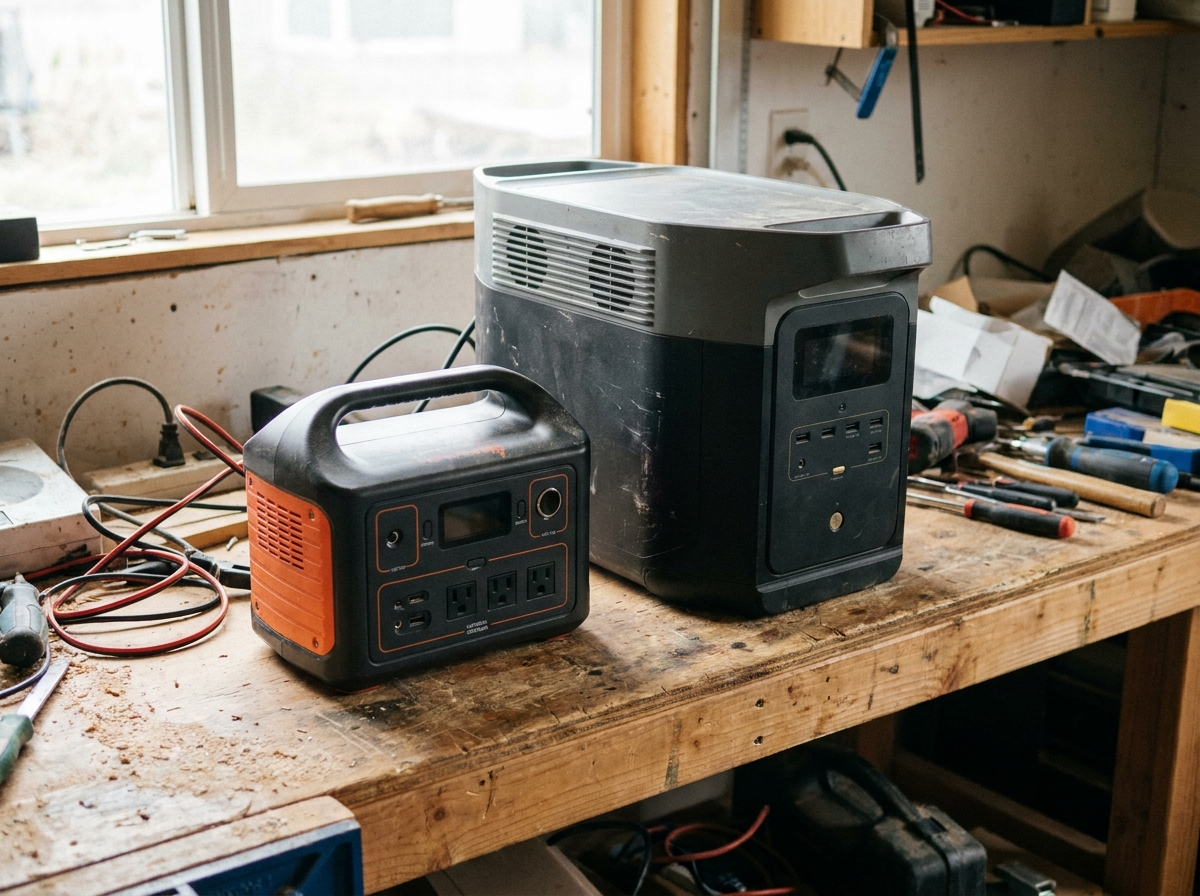
The jackery 500 is a 518-watt-hour lithium portable power station — a self-contained battery unit with a built-in inverter, multiple output ports, and a solar-input port. That number in the name refers to its usable capacity in watt-hours, which is the single most important figure to understand before you do anything else with it.
It weighs around 13.3 pounds. That matters because this class of power station sits in a specific zone: heavy enough that you won’t casually throw it in a daypack, but light enough to carry in one hand from your car to a campsite. It’s genuinely portable in a way that larger 1,000+ Wh units simply aren’t.
Understanding the Capacity: What 518 Wh Means in Practice
Watt-hours tell you how much energy is stored. To translate that into real-world use, you divide the device’s wattage draw into the total capacity — then apply a conversion efficiency discount of roughly 85–90%, because no inverter is perfectly efficient.
Here’s what that looks like for common devices:
Devices It Handles Comfortably
- Laptop (45–65W): Roughly 6–9 full charges depending on the laptop
- Smartphone (18W fast charge): 25–30 charges
- LED camping lantern (5–10W): 40+ hours of runtime
- Mini fridge (40–60W average draw): Approximately 8–10 hours of continuous operation
- CPAP machine without heated humidifier (~30–40W): 10–13 hours — enough for a full night, comfortably
- Drone battery charger (50–80W): 6–8 charges
- Small box fan (25–50W): 8–15 hours
What It Struggles With
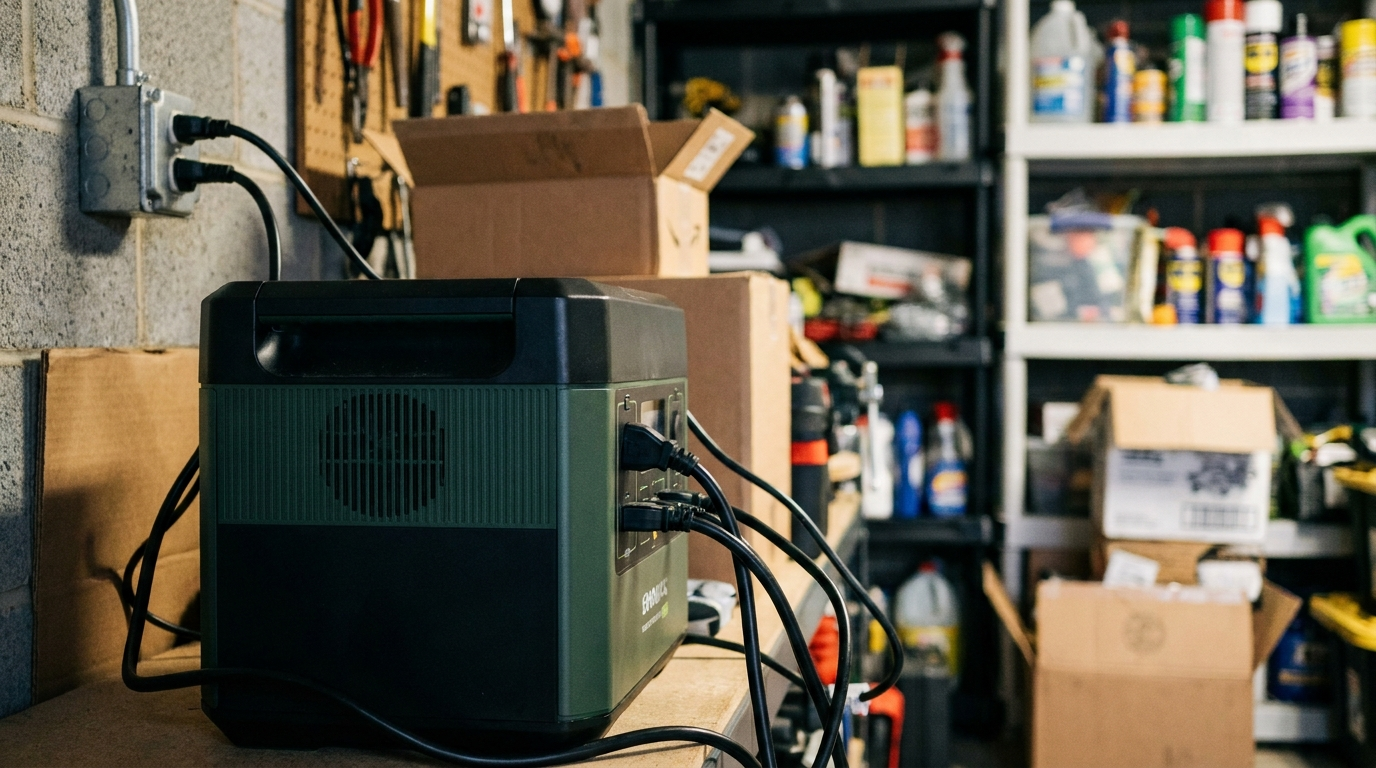
The jackery 500 has a 500W continuous AC output rating with a peak surge capacity around 1,000W. That sounds like a lot until you look at what common household appliances actually draw:
- Microwave: won’t run — a “700W” microwave rating refers to cooking power; the appliance actually draws 1,000–1,200W from the outlet, well past this unit’s 500W continuous rating, so the overload protection shuts it off within seconds. Microwaves of any size are off the table for the 500 Wh class
- Hair dryer: 1,200–1,875W — too much for the continuous rating
- Electric kettle: 1,200–1,500W — same problem
- Power drill (startup surge): Often exceeds 1,000W on startup; may or may not trigger the overload protection
- Space heater: Almost always 750W+, often 1,500W — not a good match
The honest answer is that the 500 Wh class is a 12V and small-appliance station. It’s not a whole-home backup. People who expect to run a coffee maker, microwave, and laptop simultaneously are going to be disappointed. People who need lights, phone charging, a CPAP, and maybe a small cooler are going to love it.
Charging the Unit: Speed and Options
The jackery 500 can be recharged three ways:
Wall outlet (AC adapter): This is the fastest method. Using the included adapter, you’re looking at roughly 7–8 hours from near-empty to full. That’s slower than some competitors in the same class, which is worth knowing. It’s not a problem for planned use — charge it the night before a camping trip — but it’s annoying if you need it fast.
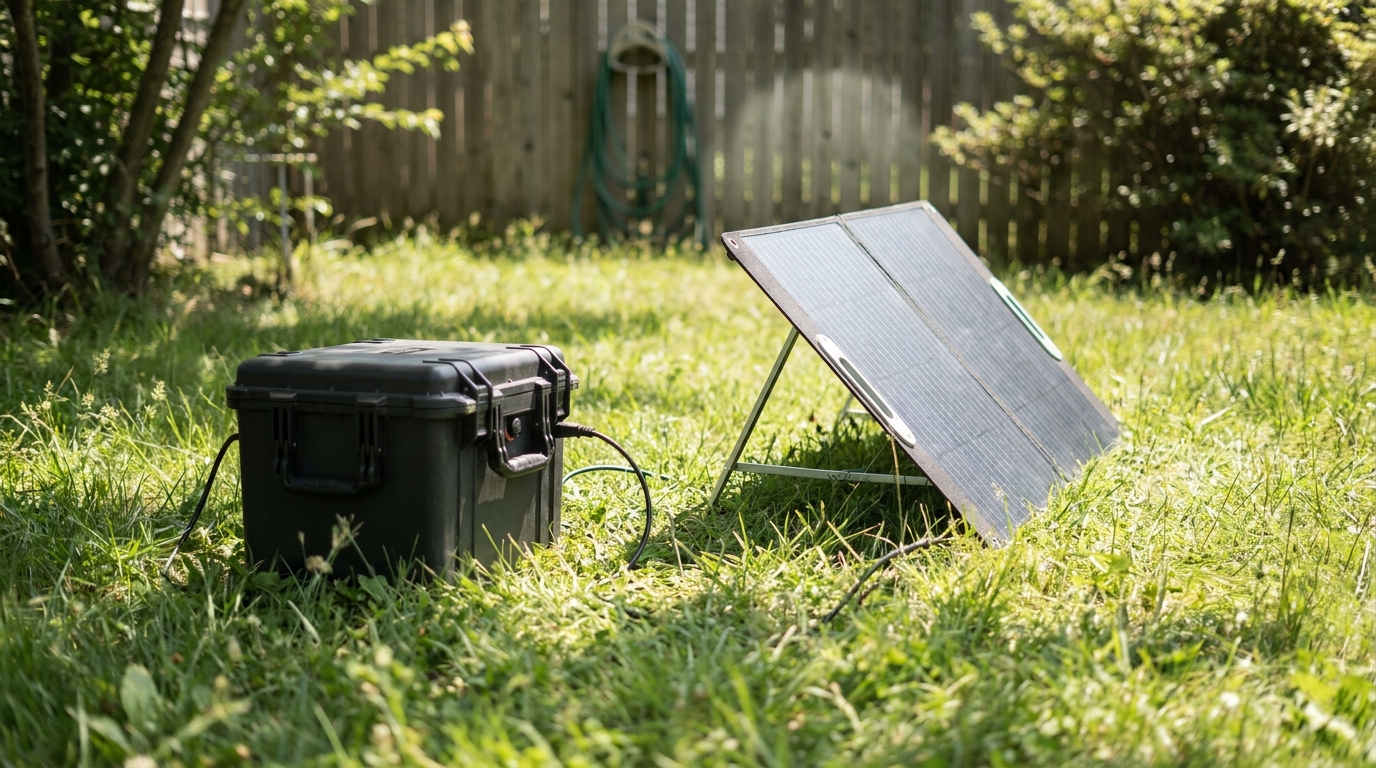
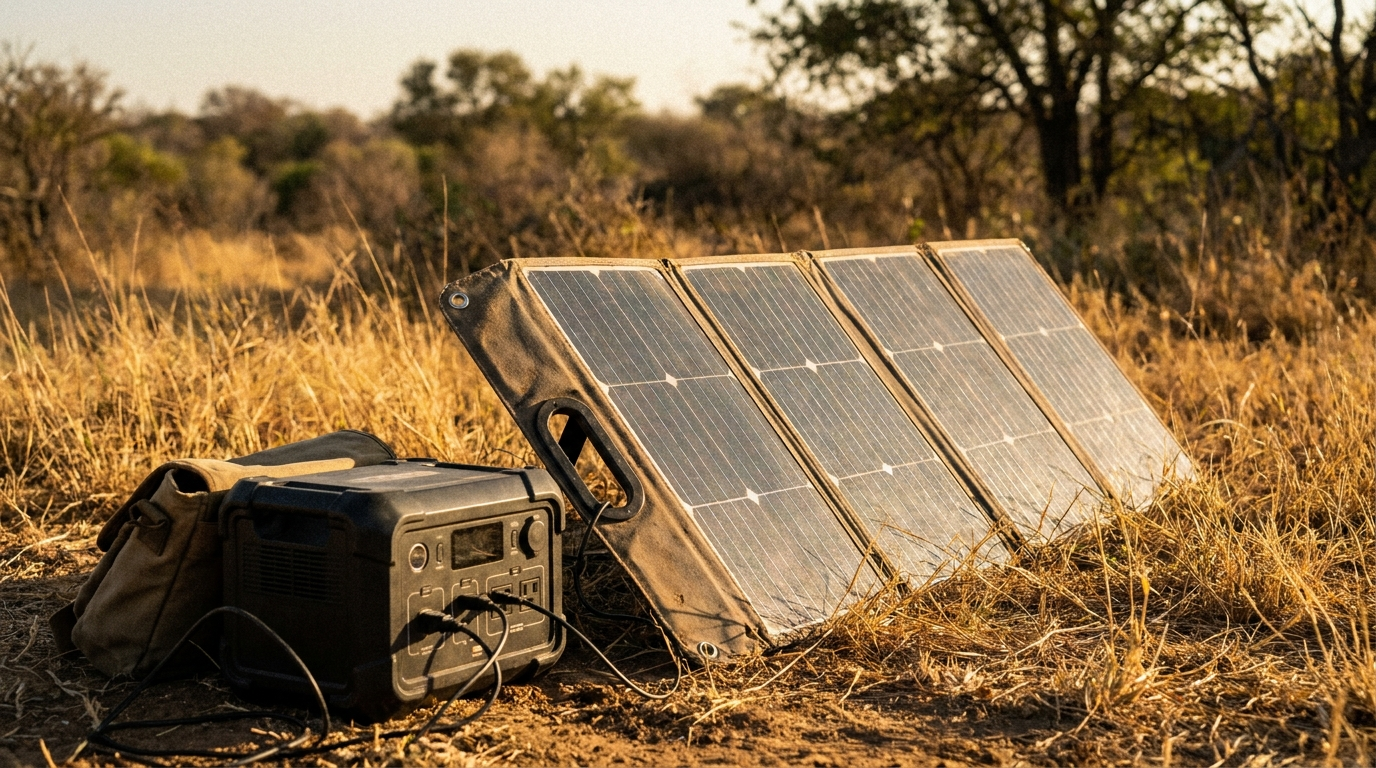
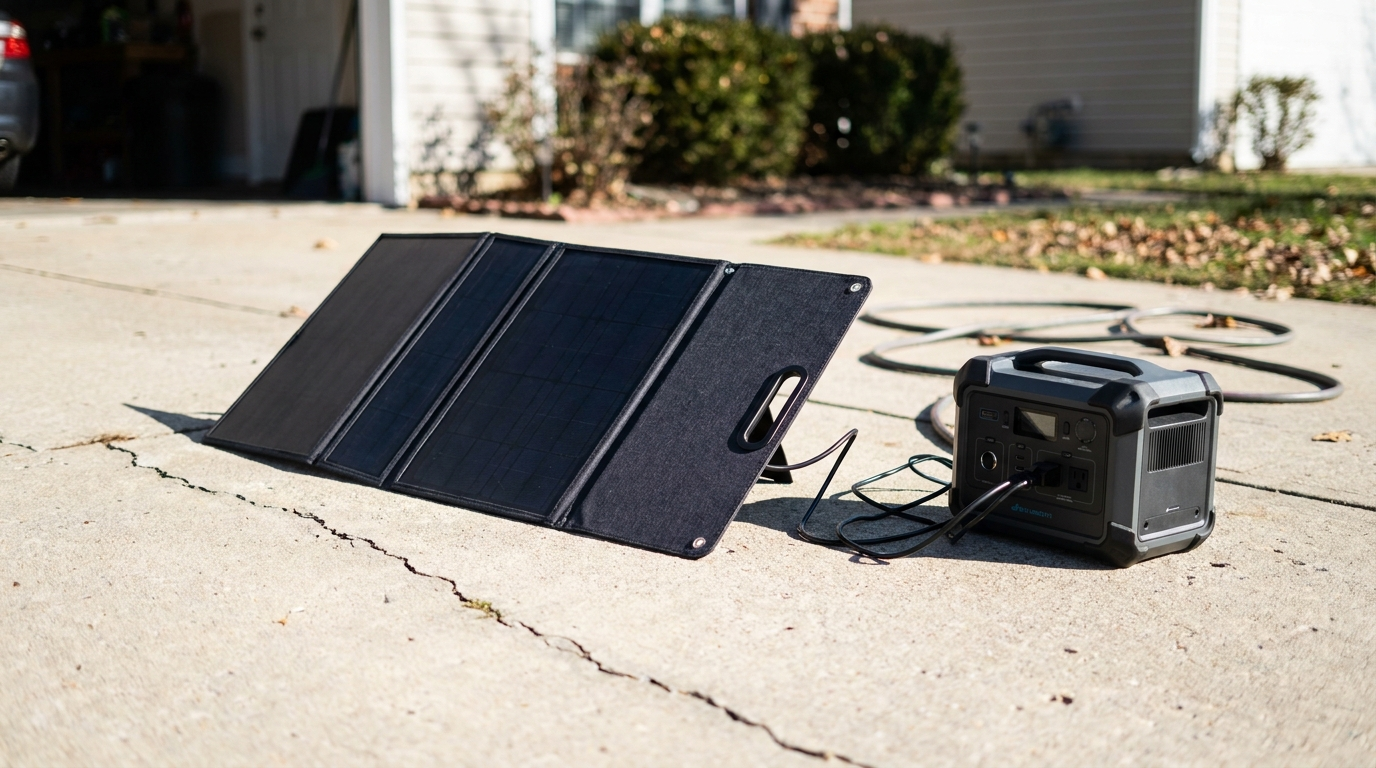
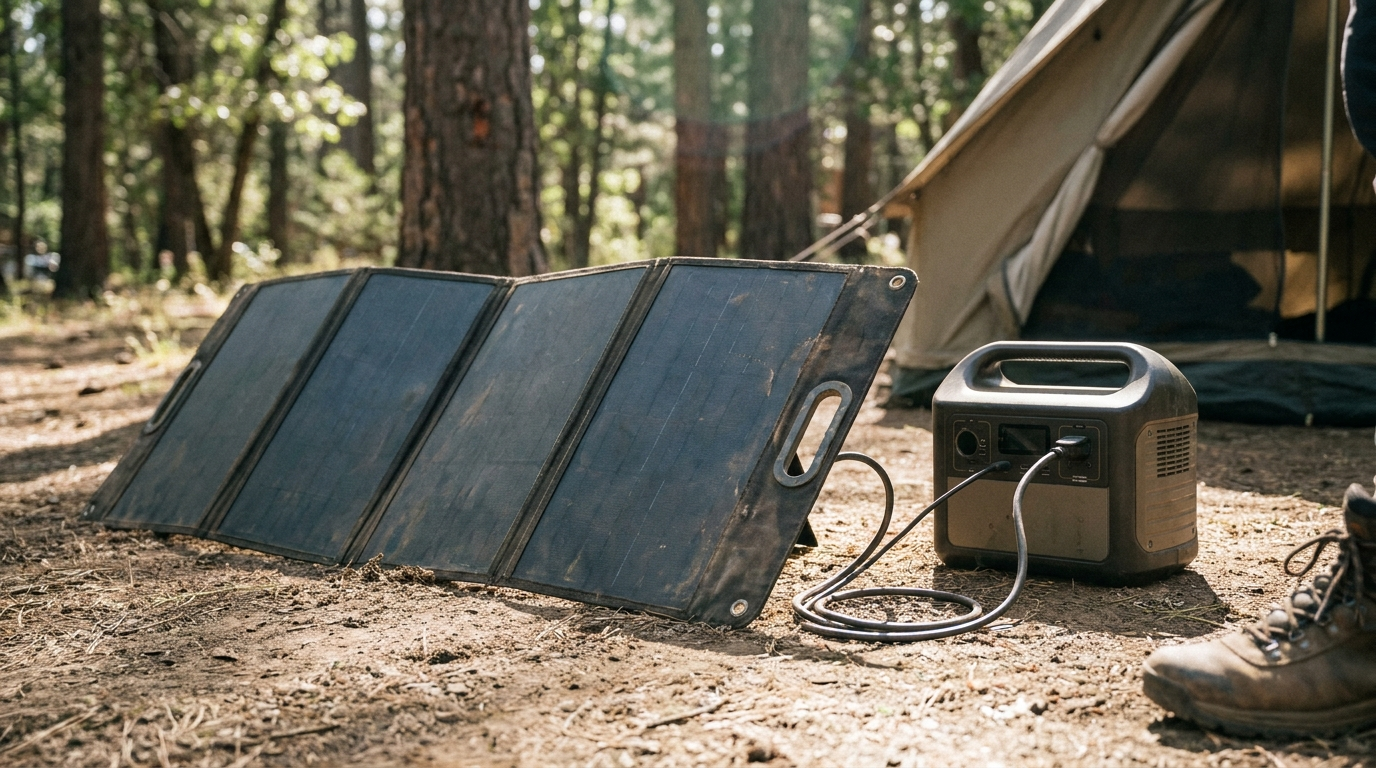
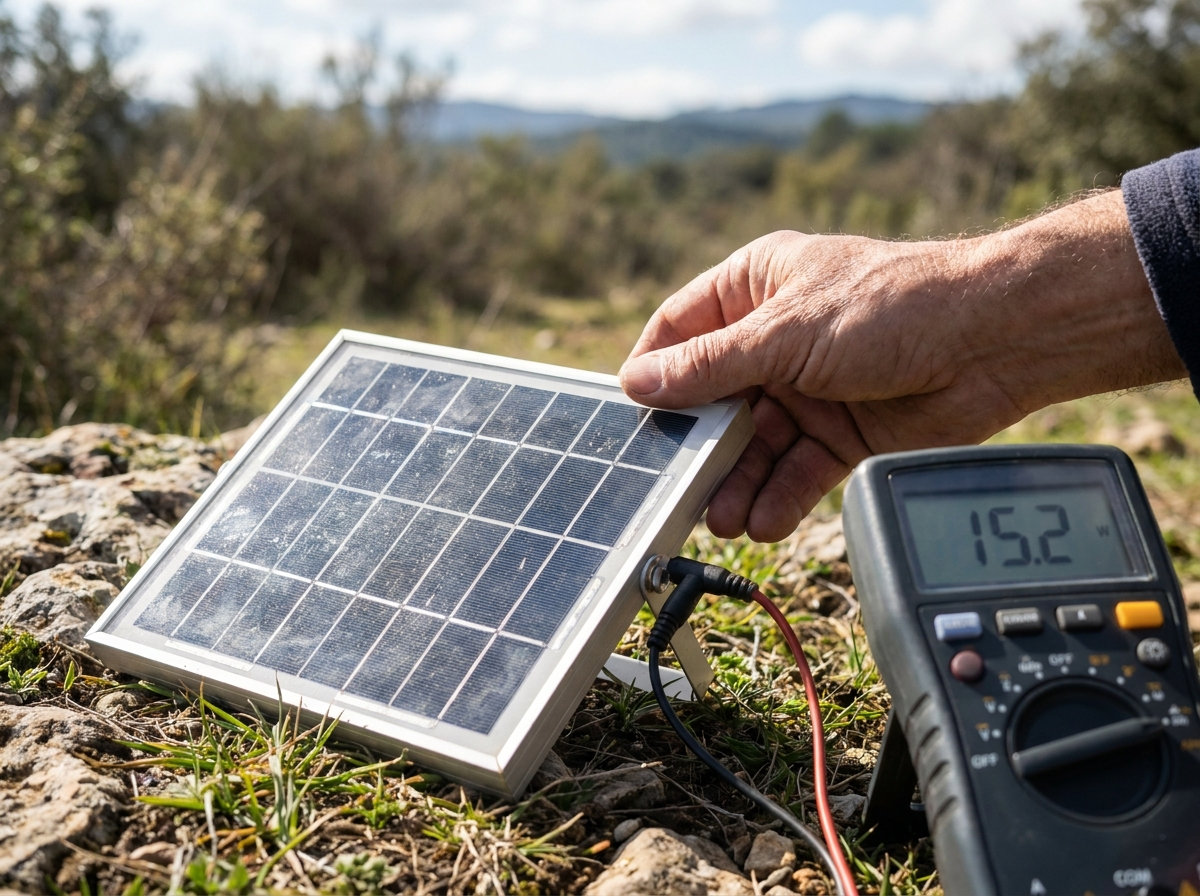
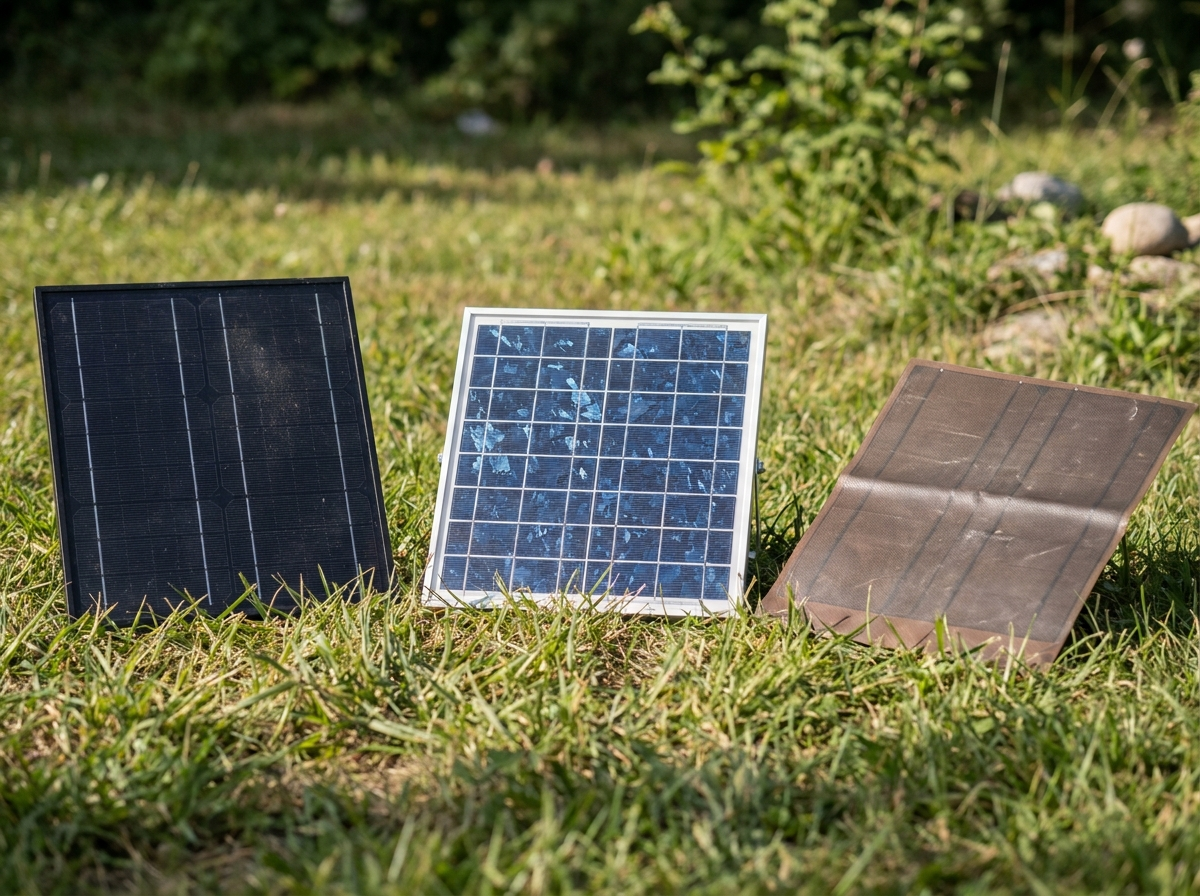
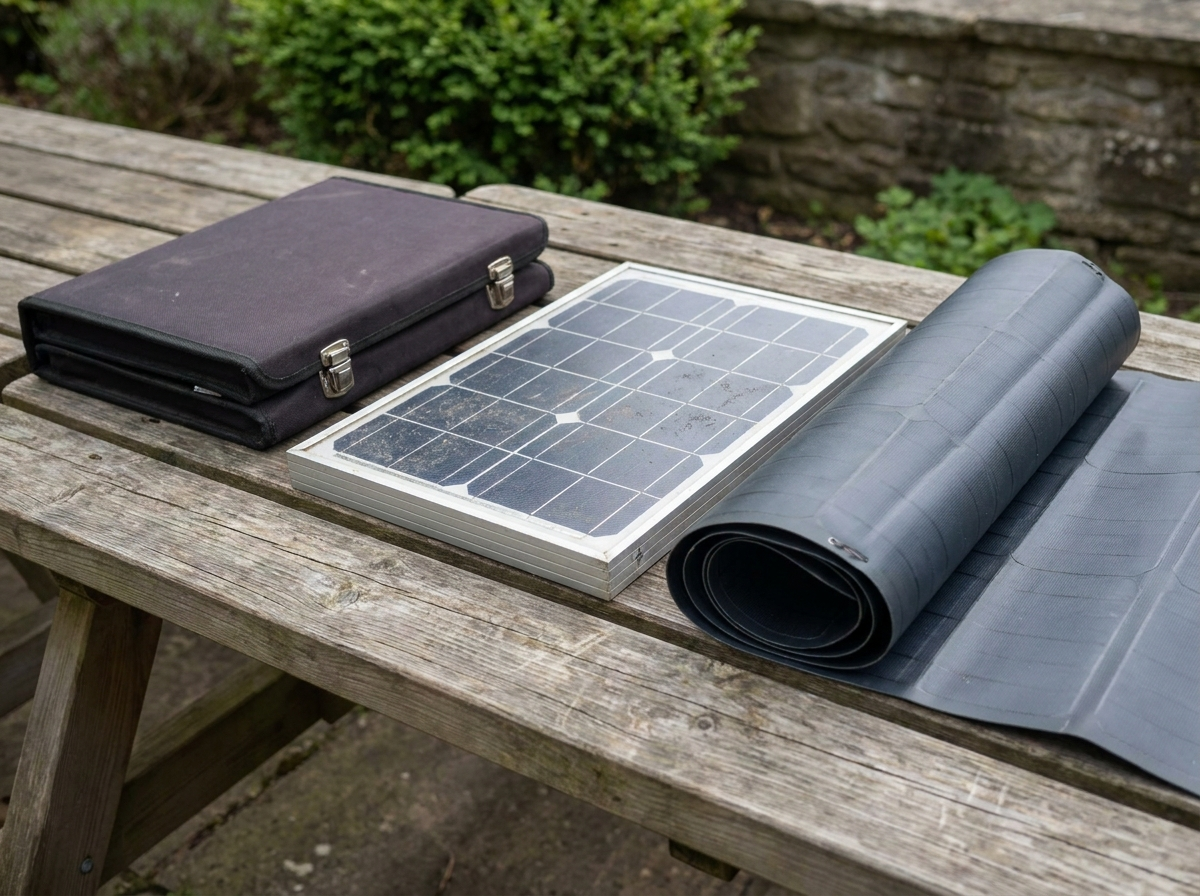
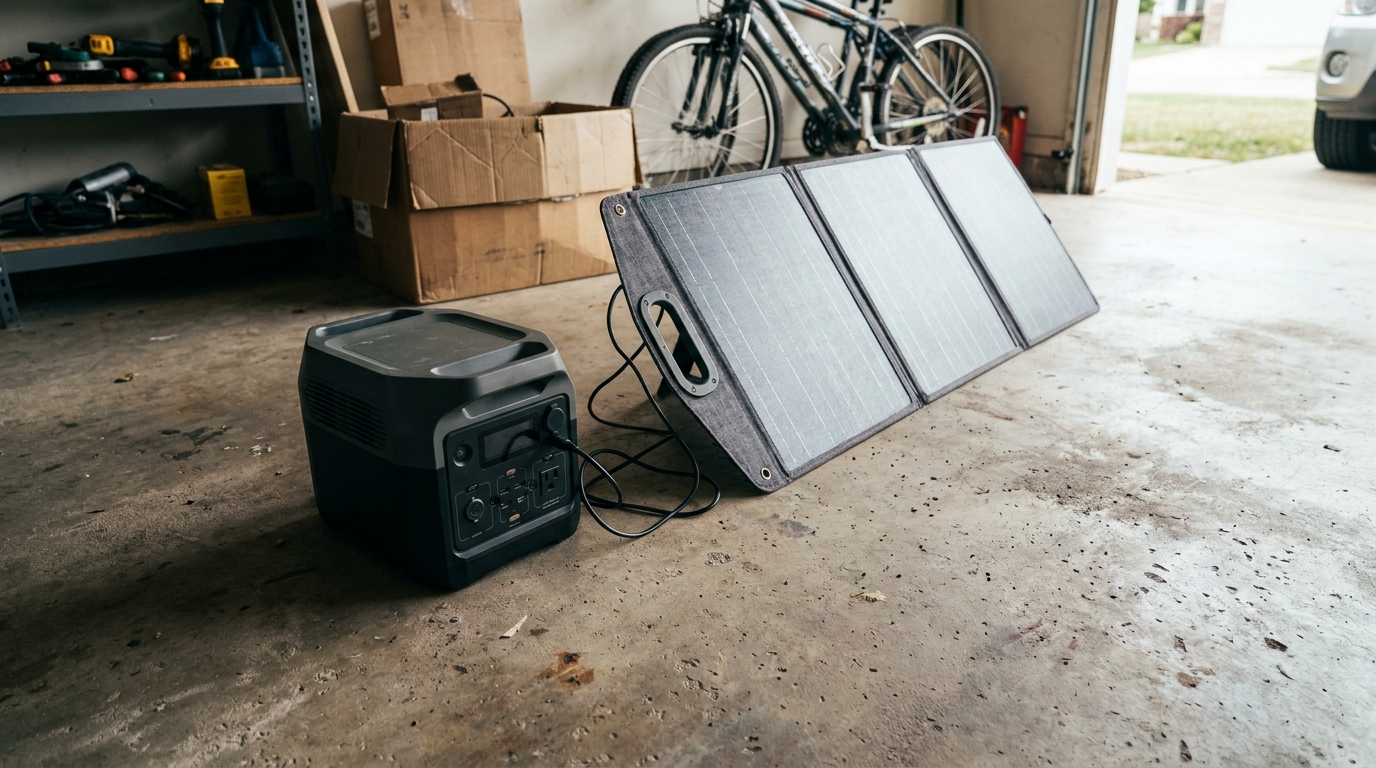
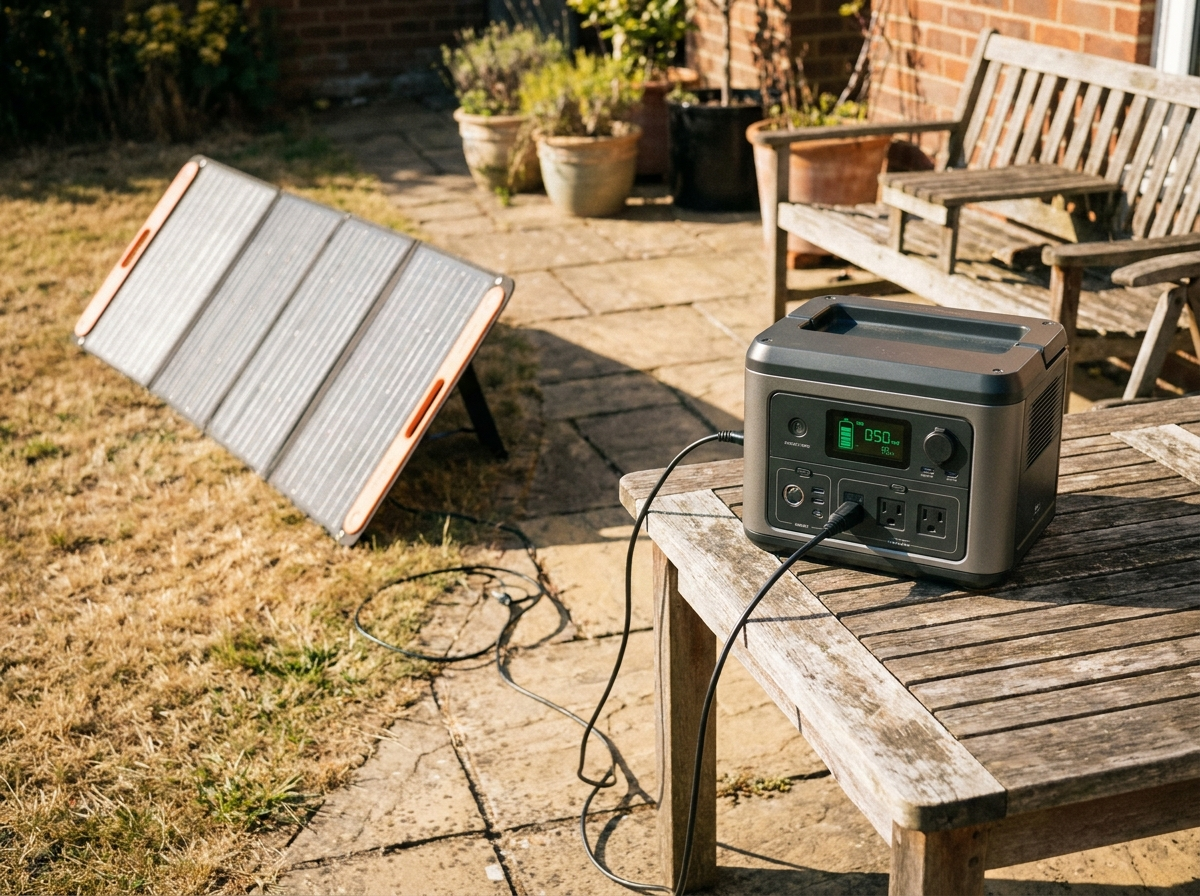
Solar panels: This is where the unit shines for off-grid users. The DC input port accepts solar panels up to 100W (verify your panel’s voltage and amperage specs fall within the unit’s accepted range before connecting anything). In good direct sunlight with a well-matched 100W panel, you’re looking at 6–8 hours to full charge. Partial cloud cover can stretch that to 10–14 hours or kill charging almost entirely on heavily overcast days. Solar input is genuinely useful for extended camping; it’s not a reliable daily driver in a cloudy climate without multiple panels.
12V car outlet: Works, but slow — expect 8+ hours. Fine for topping off on a long road trip, not practical as a primary charging method.
Ports and Real-World Layout
The output options on this unit are more useful than they might look on paper:
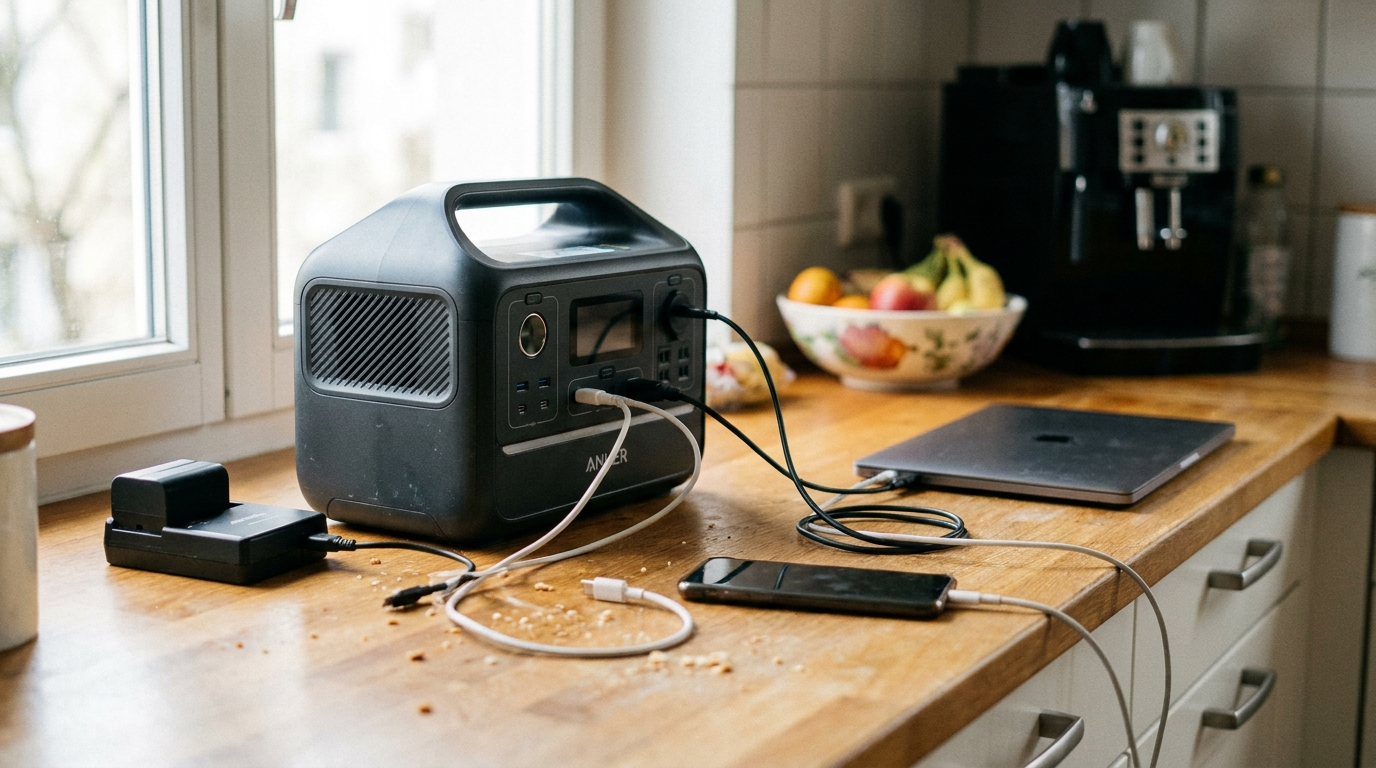
- Two AC outlets (120V): Standard three-prong, 500W continuous each (shared total)
- USB-A ports: Multiple, useful for phones and smaller accessories
- USB-C port: Included, with reasonable wattage output for laptops that accept USB-C charging
- 12V car-style output (cigarette lighter socket): For 12V accessories like tire inflators, coolers designed for car use, or CPAP machines that run on 12V DC
- DC barrel ports: For specific 12V devices
The car output socket is actually a frequently overlooked feature. Running a 12V cooler or CPAP directly from the DC port rather than through the AC inverter is more efficient — you skip the inverter conversion loss. If your device has a 12V option, use it.
Where This Unit Actually Gets Used
From real-world use patterns, the jackery 500 shows up most often in a few specific situations:
Car camping and overlanding. It fits behind a seat or in a truck bed easily. You’re not worried about weight the way you are backpacking, and 518 Wh handles a weekend comfortably for a couple — lights, phones, a tablet, maybe a small cooler running at night.
Van life essentials. Not as a primary house battery (that role belongs to a proper lithium bank wired into the vehicle), but as a supplemental unit or a way to get started before building out a full system.
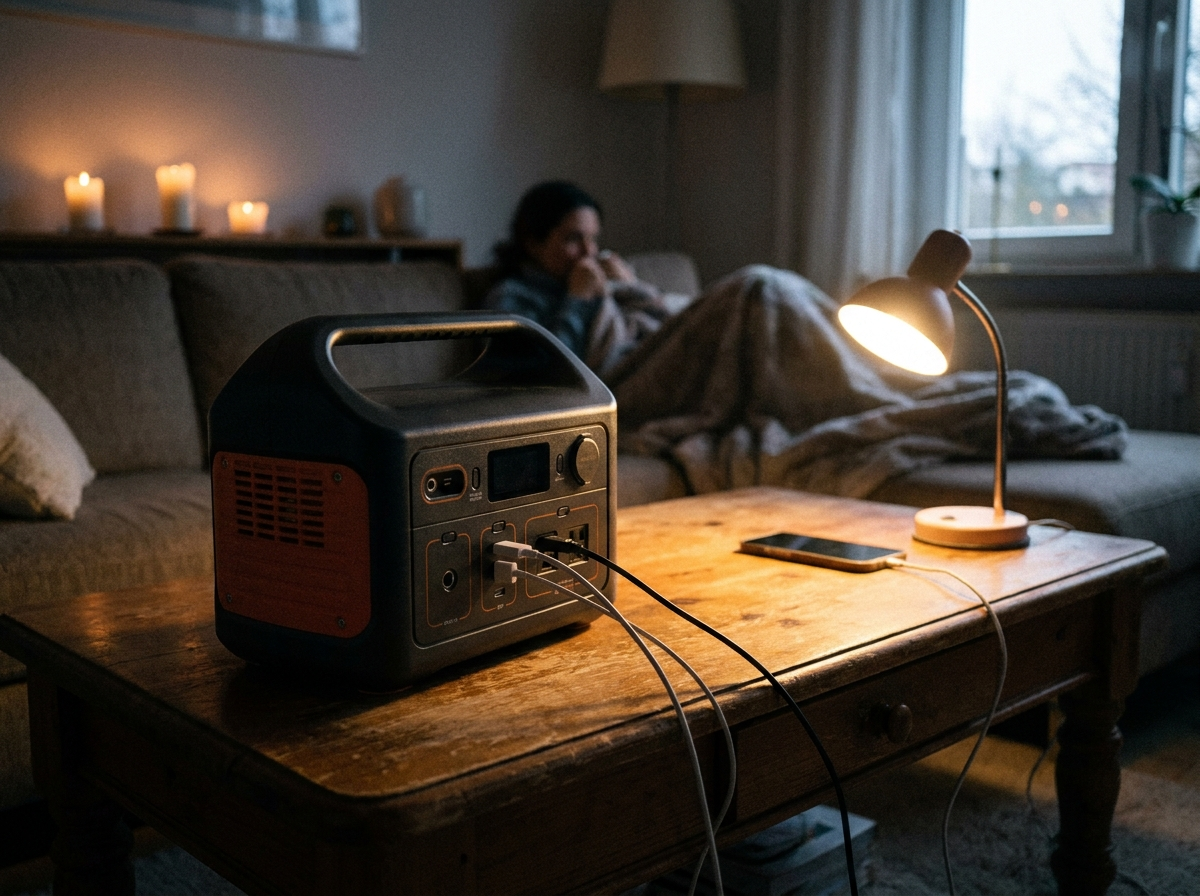
Emergency home backup for specific devices. If a power outage hits and you need to keep a CPAP running, charge phones, and run some lights, the 500 Wh class covers you for one to two nights without issue. It’s not a generator replacement; it’s a targeted backup.
Work sites without power access. Charging tools, running a laptop or monitor, keeping a phone charged — the 500W inverter handles most of that without issue.
Medical device users. CPAP users specifically make up a large portion of the audience for this class of station. Without the heated humidifier, a CPAP typically draws well under 40W, and the DC output option extends runtime further.
Honest Limitations Worth Knowing
The LCD display shows remaining charge as a percentage, not in watt-hours. That’s less useful than it sounds — 50% of 518 Wh is roughly 259 Wh, but knowing that requires mental math. Some people find the percentage display fine; others prefer stations that show time-to-empty based on current draw.
The battery chemistry is standard lithium-ion NMC, not LFP (lithium iron phosphate). That means the cycle life is lower than LFP-based competitors — typically rated to around 500 full cycles to 80% capacity. If you’re using this unit daily, that matters significantly. For occasional weekend camping or emergency backup use, it’s a non-issue.
The fan runs audibly under load. It’s not loud, but it’s not silent. Light sleepers using it next to a bed for CPAP charging should know this ahead of time.
And the charging speed from wall power is genuinely on the slower side compared to some newer entrants in this category. If rapid recharge is important to your use case, compare that spec carefully across options.
Getting the Most Out of It
A few practical habits make a measurable difference:
- Charge to 80% for storage. Storing at full charge degrades lithium batteries faster. Most users won’t do this religiously, but if the unit sits unused for months between camping seasons, storing at partial charge helps long-term.
- Use DC outputs when possible. Bypassing the inverter saves 10–15% of energy per use cycle.
- Check your device wattage before assuming it’ll work. A 500W limit sounds generous until you plug in a coffee maker. The unit will protect itself with an overload shutoff, but that’s disruptive mid-use.
- Pair with a foldable solar panel if you’re doing multi-day trips. The solar input transforms this from a one-weekend station into something that can sustain indefinitely with enough sun.
The jackery 500 occupies a useful middle ground — genuinely portable, genuinely capable for its target use cases, and straightforward enough that it doesn’t require a manual after the first use. Know what you’re asking it to power, and it holds up well.